
Canada should ‘absolutely’ match Poland’s Chinese EV ban at military bases: expert
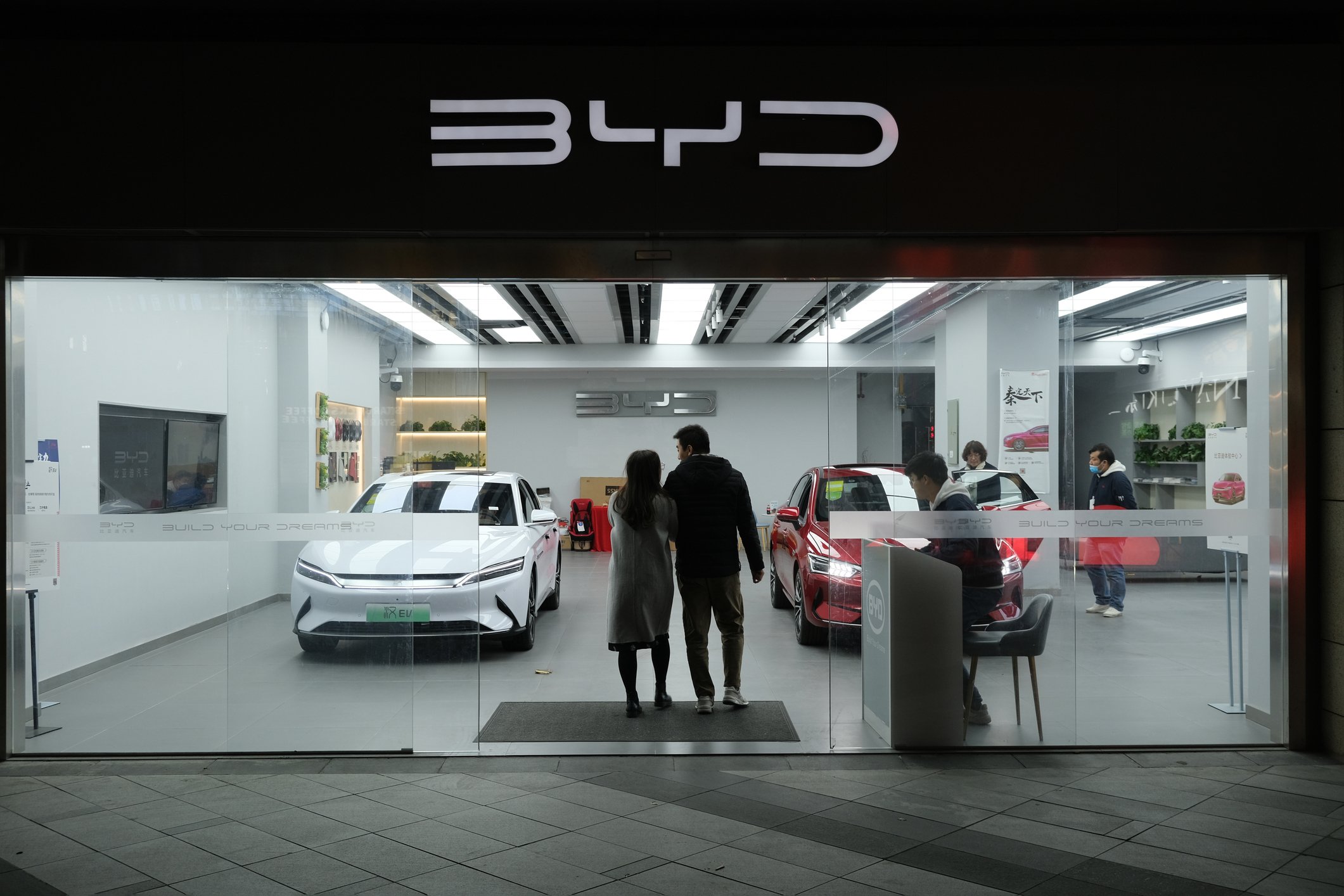
OTTAWA — Intelligence and cybersecurity experts are warning the Liberal government about national security risks posed by allowing Chinese electric vehicles onto Canadian military bases.
Critics and some experts are even calling on Ottawa to ban the cars from Canadian Armed Forces bases and other sensitive sites due to onboard sensors they say could collect and transmit sensitive information to the Chinese government.
Their warning comes after Poland and Israel instituted similar bans on EVs built by Chinese companies like BYD Auto over the past year — and as Conservative politicians in Canada raise the alarm over the threat of so-called “spy cars.”
David Shipley, CEO of Beauceron Security, said the risks are high enough that Parliament should at least haul military brass and senior bureaucrats in front of a committee to testify about National Defence’s plans for managing those risks.
“The Chinese sometimes send us a good signal about what the risks are,” Shipley said. “They banned Teslas from their major political events and military bases for the same reason Israel is banning their BYDs.”
Shipley recently told a House of Commons committee that Chinese EVs are “rolling surveillance” platforms and that policy-makers in the nation’s capital need to learn why countries such as Poland are taking such precautions.
Shipley also noted that while Chinese EVs are “extra risky,” it would be short-sighted to assume the problem is exclusively tied to Chinese-made vehicles.
“It would be the height of arrogance to think that if they really wanted to spy on us to this level, they wouldn’t hack GM, Ford, Stellantis, Tesla and others,” Shipley said.
“The issue isn’t Chinese EVs. It’s all these internet-connected cars and the risks they pose to our military — and the fact that there is not a single law on the books regulating these things.”
Read the full story at CityNews